
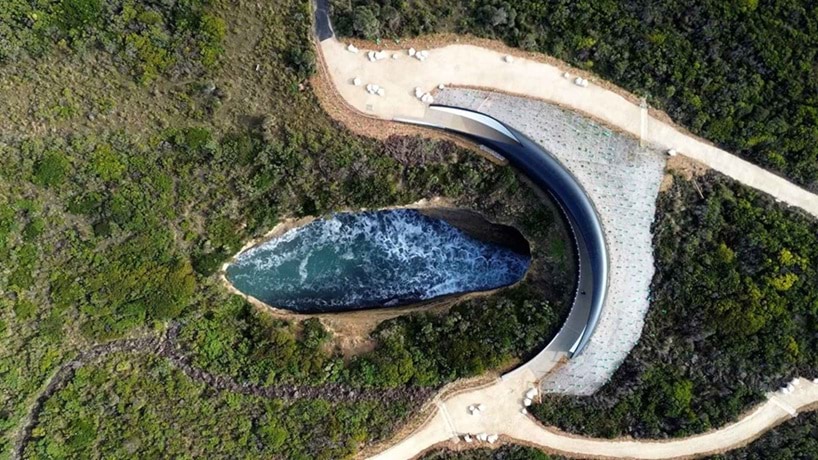
You can download the Good Design + the Coast document here or find the full text below.
Victoria’s coastal towns and natural landscapes are unique and valuable places. Every design intervention within these environments must recognise their distinct character and qualities. Good design has a role at every scale — managing the impact of development in coastal towns, guiding the design of structures at the water’s edge, and shaping the experiences of people who live in, visit, or view these places.
This publication draws upon existing strategic frameworks supporting good design on the coast. It aims to raise awareness of the issues surrounding coastal environments and to inspire innovative, context-sensitive responses that contribute to a sustainable and highly valued built environment.
The Office of the Victorian Government Architect (OVGA) provides strategic advice to the government about architecture and urban design. We understand how to connect government's priorities in infrastructure, architecture and public space with processes that achieve better design outcomes. Victoria’s coast is an area of immeasurable environmental, cultural and economic significance. The OVGA encourages awareness of the value of coastal places and the importance of good design in supporting quality outcomes. Good design enables us to sustainand enhance the natural and cultural values of the coastal environment. It supports positive living experiences for local communities and visitors alike.
This publication is part of a series that raises awareness of good design. The publication has been developed with the Department of Energy, Environment and Climate Action (DEECA) and references key design principles to achieving good design on the coast. It highlights existing strategic documents that support good design on the coast and seeks to inspire exemplary, site-responsive outcomes.
The primary audience includes:
• decision-makers, designers and visionaries in Victorian State and Local Government involved in capital works and land-use planning
• private-sector practitioners and consultants
• community organisations, Indigenous custodians and stakeholders interested in Victoria’s coastal future.
The Importance of the Coast
Victoria’s coastline extends for more than 2,000 kilometres and comprises landscapes of exceptional natural beauty and significance — from wetlands, beaches, dunes, inlets, lagoons, rocky headlands, and caves and forests. It is a dynamic environment where natural forces continually shape its character.
The coast contains immense biological diversity, both on land and in the marine environment. Protecting this diversity is critical to maintaining ecological balance and resilience. The coast holds deep cultural significance for Traditional Owners and is prevalent in stories of early settlement. It continues to provide meaning, recreation and connection for millions of Victorians who live, work, or visit coastal areas. The coast sustains vital industries, tourism, and recreation, all of which rely on healthy ecosystems and well-maintained landscapes. This highlights the need for thoughtful design and planning that safeguards environmental integrity.
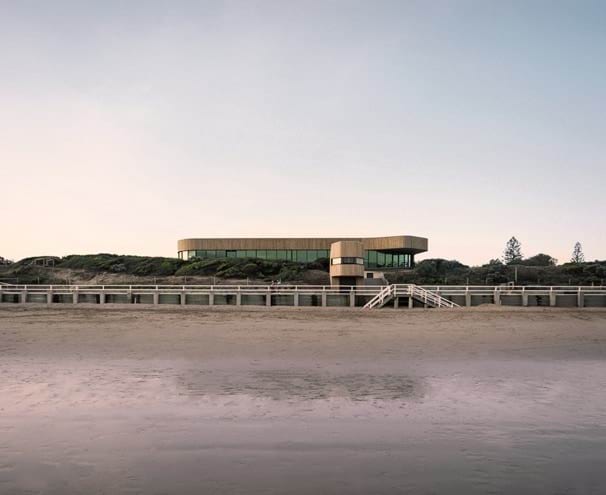
Indigenous Cultural Heritage
Traditional Owners maintain a deep, enduring connection to Country and hold custodial responsibility for caring for Victoria’s coastal and marine environments. Their cultural values are essential to shaping a genuine sense of place and sharing Victoria’s distinctive stories.
The Australian Indigenous Design Charter advocates that design on Country requires consultation and/or co-creation, co-authorship and co-beneficiary consideration between designers and Registered Aboriginal Parties, as the relevant authorised representative bodies of local Traditional Owners. Designers and clients need to develop dedicated research practice methods and ensure that project timelines and budgets reflect the important role of Traditional Owners in these processes.
Respectful management of these sites and values is vital. Good planning and design processes will be guided by the principle of self-determination and meaningfully include Traditional Owners’ voices early in the process to acknowledge and protect their cultural heritage. A good development will recognise and honour the ongoing relationship between Traditional Owners and their coastal environments.
Definition of the Coast
The marine and coastal environment of Victoria is defined under the Marine and Coastal Act 2018 as the area between the outer limit of Victorian coastal waters (offshore) and 5 kilometres inland of the high-water mark of the sea.
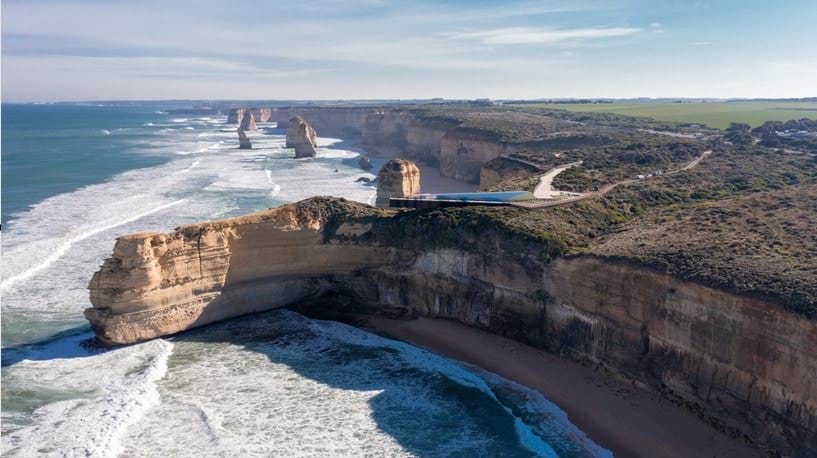
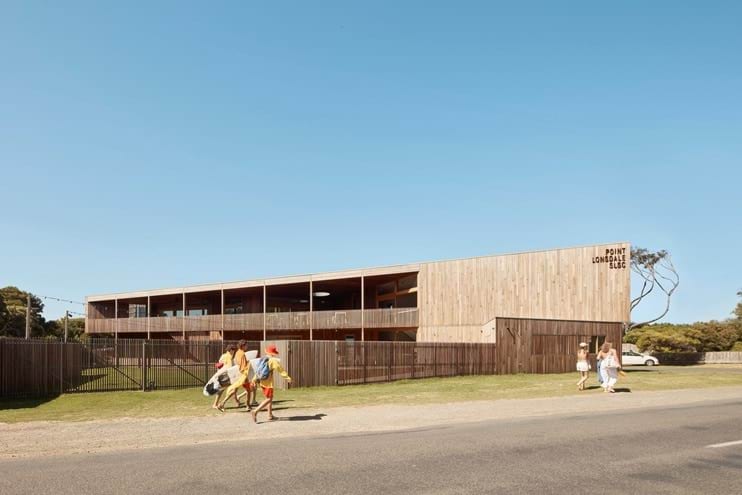
Designing on the Coast
The principles of good design apply across marine and coastal Crown land. A good design response will consider:
• Coastal culture and character: Ensure new built forms and infrastructure complement the existing identity of the place and any significant landscape.
• Protection of significant views: Maintain and frame important sightlines to and from waterways and consider how proposed development and infrastructure will affect views to, or from the foreshore.
• Landscape as setting: Treat the coastal landscape as the dominant visual and experiential context.
• Spatial connection: Maintain open space between towns and avoid continuous ribbon development.
• Integration of built and natural realms: Design for seamless transitions between public spaces and natural areas.
• Resilience to coastal weather: Address the effects of wind, salt, storms, floods, erosion and changing climate. Design new structures to help reduce exposure to coastal hazards through material selection and maintenance.
• Respect natural processes: Recognise that coastal areas are constantly shaped by tides, wind, and waves. Only place assets in these dynamic land–water interface zones if they genuinely need to be located there to function properly.
• Bushfire risk: Understand the implications of the Bushfire Attack Levels and integrate resilient solutions early in the design process.
• Ecological sensitivity: Manage impacts on the foreshore or marine environment through effective stormwater management or runoff.
• Seasonal variation: Plan for fluctuating population, different user groups and use patterns throughout the year to avoid ecological damage from increased visitation.
• Traditional Owners: Engage early in planning and design, and during construction, protect Aboriginal cultural heritage and incorporate cultural narratives as appropriate.
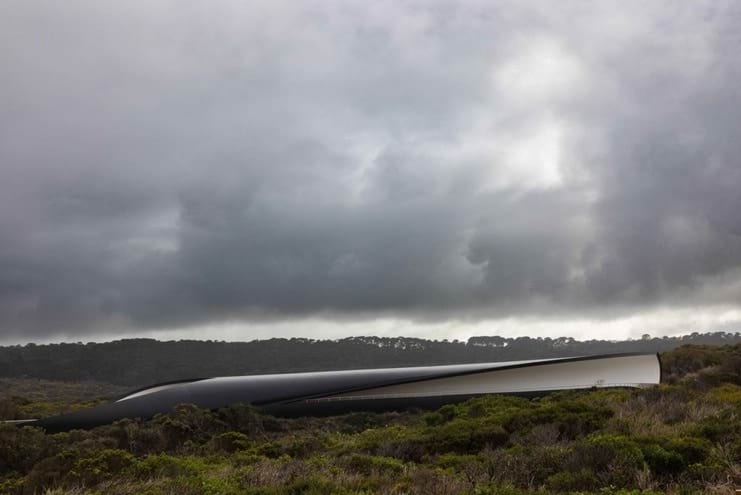
Every new project is an opportunity to contribute positively to Victoria’s cultural identity. Coastal projects are inherently visible, and often viewed in-the-round, elevating the opportunity to enhance the experience. Good coastal design demonstrates respect for both the natural environment and the context of coastal towns.
Issues and Challenges on the Coast
Competing development demands on the coast create ongoing challenges for the natural ecology. Effective local policies and strategies that support good siting and design are critical to ensure new projects respect the specific characteristics of coastal environments.
Population Growth and Sea Change
Coastal municipalities continue to experience rapid population growth, particularly within 60–90 minutes of Melbourne. Seasonal fluctuations due to tourism and major events place pressure on local infrastructure, natural systems, and community cohesion. Recognising and planning for these population pressures is essential for sustainability in coastal communities.
Sense of Place
Coastal settlements are shaped by diverse Indigenous, historical, and economic influences. Maintaining and evolving local character while accommodating change is a continuing challenge. Increased density must be guided by structure plans that address appropriate built form, landscape protection, and rural-urban interfaces.
Public Access and Facilities
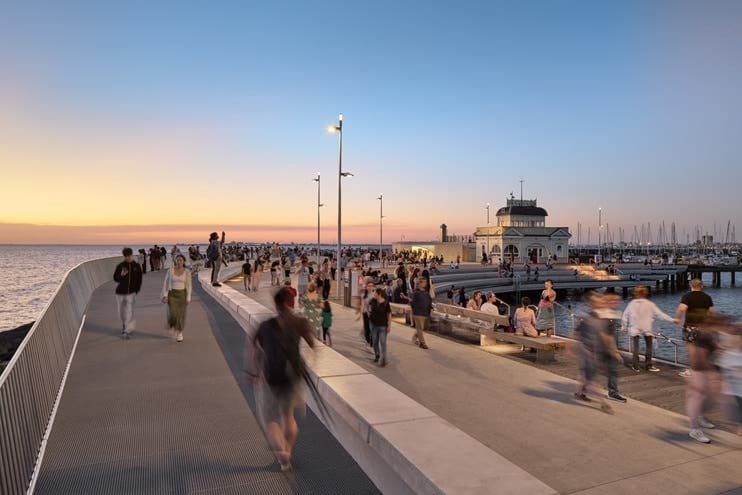
Approximately 96 per cent of Victoria’s foreshore is publicly owned. Well-designed infrastructure such as lifesaving clubs, car parks, public amenities and pathways can enable public enjoyment and safe access while protecting sensitive areas. Poorly designed developments can encroach on public land, restrict views, and reduce amenity. Good design will prioritise openness, accessibility, and public facilities.
Environmental Issues
Good design will consider the key ecosystems along the coast, including:
• Fragmentation of habitats and loss of biodiversity
• Invasion of weeds and pest animals
• Declining water quality and quantity in catchments
• Disturbance of coastal acid sulphate soils, which can harm ecosystems and infrastructure.
Climate Change
Rising sea levels and increased storm intensity will quickly reshape Victoria’s coastline. Low-lying areas face inundation, erosion, and shoreline retreat, threatening both natural systems and public infrastructure, such as buildings, roads and piers. Good design will anticipate these changes and promote adaptive, resilient solutions.
Legislation and Policy Framework
DEECA is the state’s peak advisory body for strategic planning and management of the coast. DEECA advises the Minister for the Environment on conservation, sustainable use, and development of coastal areas and prepares statewide guidance for planning and management.
The Marine and Coastal Act 2018, the Marine and Coastal Policy 2020 and the Marine and Coastal Strategy 2022 each play a lead role in managing and maintaining the health of Victoria’s marine and coastal environment.
Marine and Coastal Act 2018
The Act outlines principles and objectives for planning and management, to ensure that the marine and coastal environment is cared for so that future generations may also experience and enjoy its multiple benefits.
Marine and Coastal Policy 2020
The Policy was released in March 2020. It sets a 15-year vision for ‘a healthy, dynamic and biodiverse marine and coastal environment that is valued in its own right, and that benefits the Victorian community, now and in the future’ and provides strategic direction and specific considerations for planning, management and decision making.
Marine and Coastal Strategy 2022
The Strategy identifies actions to achieve the Policy’s 2020 vision, and is the first of three, five-year strategies. It details the key actions to be taken over the next five years to establish the foundations for achieving the Policy’s intended outcomes within 15 years, along with associated delivery timeframes and responsibilities.
Siting and Design Guidelines for Structures on the Victorian Coast 2020
The guidelines assist councils, coastal managers, and stakeholders in implementing the Victorian Marine and Coastal Strategy 2022. They apply to all development on Victoria’s coast, whether on public or private land and consider siting and design challenges in response to pressures of population growth and climate change.
Victoria’s Resilient Coast – Adapting for 2100+ Guidelines
The guidelines provide a best practice approach to coastal hazard risk management, including sea-level rise, erosion, and flooding, and the adaptation of public and private land. They are intended to support Crown land managers, local government, state government and research organisations, to ensure a resilient coastline that can withstand projected changes by the year 2100 and beyond.
Building in the Coastal Environment
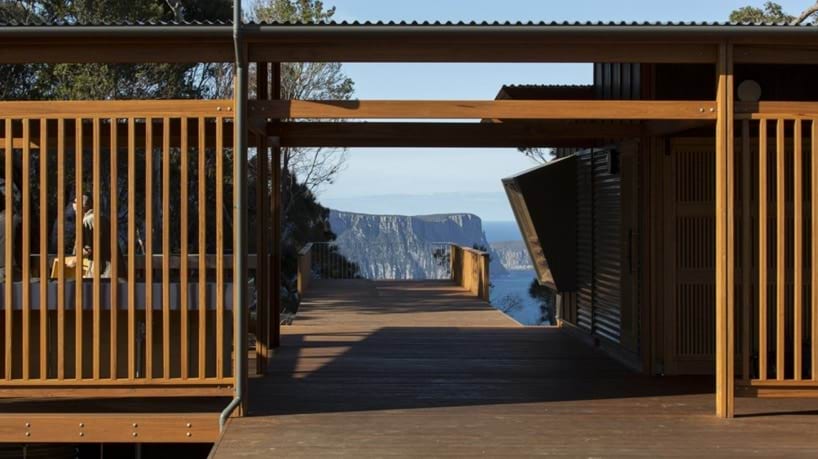
At every stage of a project — feasibility, briefing, design, procurement, construction, ongoing operation and management
— government, community, and designers can influence the quality of the coastal built environment. The OVGA considers that there is substantial opportunity to improve design outcomes by improving design procurement practices that impact on design quality. The procurement of a quality project relies upon the engagement of a quality design team. It involves not just the contractual method used, but also the implementation of a built project from idea to delivery and on to operation.
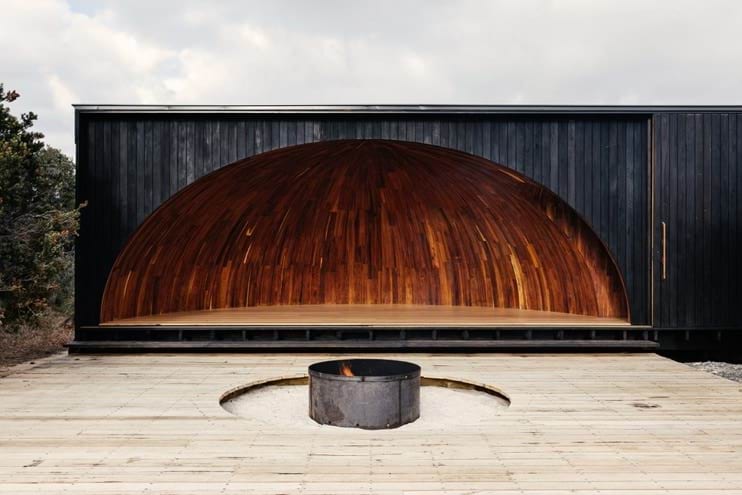
Every coastal project offers the opportunity to enrich Victoria’s identity and enhance the experience of the coast. Through thoughtful design, respectful engagement, and sustainable practice, we can ensure that the coast remains a place of natural beauty, cultural depth, and enduring public value for generations to come.
Good Design Principles + Value
Early and ongoing engagement with Traditional Owners:
Protect Aboriginal cultural heritage and strengthen connection to Country.
Retain and integrate cultural heritage:
Celebrate history, continuity and shared identity.
Support good design in procurement and construction processes:
Seek architectural and landscape design advice early in the process to assist with the brief, tender and tender evaluation.
Respond to community needs and identity:
Promote pride, safety and social cohesion.
Respond to cultural values of Country and diversity:
Develop a strong sense of community and belonging, support contemporary identity.
Integrate key views and local features:
Enhance local identity and support tourism.
Prioritise the design of public places:
Provide safe, publicly accessible places that celebrate natural beauty.
Provide physical and visual access to the foreshore:
Enhance the sense of connection to the environment and the community through improved accessibility. Promote inclusiveness and recreation.
Design foreshore infrastructure with care:
Reduce visual clutter and protect the natural environment. Understand design considerations specific to coastal contexts, including predicted coastal hazards.
Cluster activities and encourage shared facilities:
Provide accessible services, reduce travel distances, minimise building footprints and conserve the environment.
Celebrate multi-use community facilities:
Express local identity and cultural values of Country.
Avoid ribbon development; focus infill within existing town boundaries:
Minimise sprawl, preserve landscape and vistas and retain separation between towns.
Provide diverse housing types and costs:
Promote inclusive communities and support changing demographics.
Apply Ecologically Sustainable Design principles:
Minimise environmental impact and enhance comfort.
Use locally indigenous species in landscaping:
Support habitat and maintain ecological integrity.
Design for harsh coastal weather:
Increase durability of structure and materials to reduce maintenance.
Repair degraded sites and landscapes:
Protect and restore natural systems; support biodiversity and increase resilience to sea-level rise.
Further information
Great Ocean Road Coast and Parks Authority
www.greatoceanroadauthority.vic.gov.au
Department of Energy, Environment and Climate Action
www.deeca.vic.gov.au
Australian Institute of Architects
www.architecture.com.au
Australian Institute of Landscape Architects
www.aila.org.au
Australian Indigenous Design Charter
www.indigenousdesigncharter.com.au
Updated