
You can download the Lessons Learned: Time for Design document here or find the full text below.
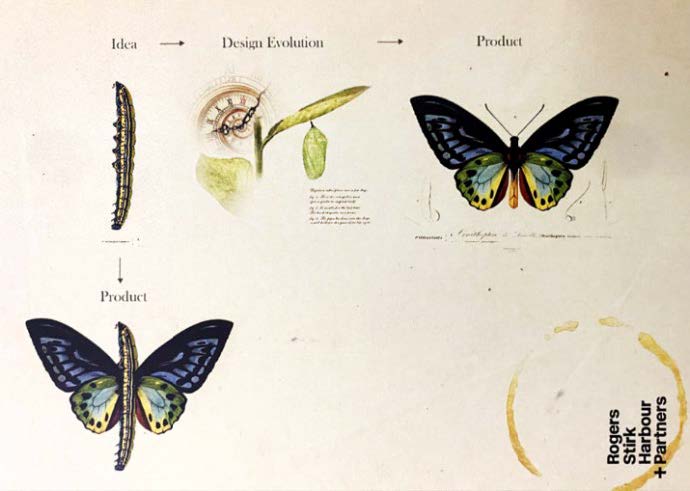
The Office of the Victorian Government Architect (OVGA) considers that there is substantial opportunity to improve the inherent value in project outcomes by improving procurement practices that impact on the quality of design, construction and amenity. This procurement advice demonstrates that the time taken to develop a design is a sound investment in the context of the construction time, the life cycle and the community benefit of the built outcome.
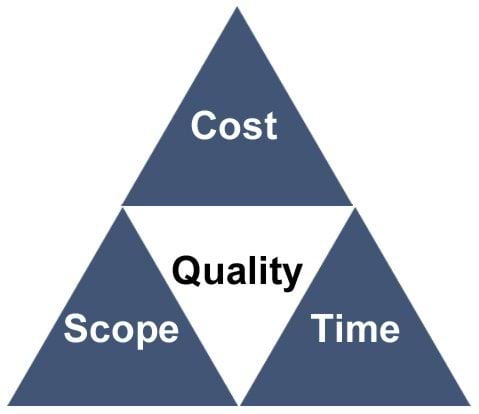
Balancing Time, Cost, Scope and Quality
While cost, scope and quality are critical considerations, time is equally important. The time invested during the design phase significantly reduces project risks by allowing ideas and scope to be tested, refined, and detailed.
Recognising the value of time in design is a strategic investment in the broader context of construction timelines and the lifecycle of the final built outcome. Allocating adequate time for research, analysis, briefing, reviewing, and developing design proposals ensures that all project needs are met. Conversely, fast-tracked and shortened design processes pose risks, potentially compromising project quality.
Sufficient time must be allotted for all design stages, including concept design, design development, tender preparation, and construction documentation. These stages ensure full design resolution and enable builders to submit competitive tenders.
Key Stages and Considerations:
1. Project Vision Statement
The Project Vision Statement articulates the client’s aspiration for the project at its inception. It is important to align the client’s aspiration with the program and budget and be agreed upon early to ensure the project’s feasibility.
2. Project Brief Development
Time dedicated to creating a detailed and accurate project brief is critical. A well-structured brief enhances the design phase by giving consultants and stakeholders clear direction. Studies indicate that poor-quality briefs often lead to inefficiencies in building infrastructure projects. Redirecting resources toward better specification of project objectives can prevent costly issues and save money by addressing potential problems early.
3. Reference Design
Depending on the procurement method (e.g., Public Private Partnership), a Reference Design may be required. Allowing sufficient time to fully develop the Reference Design is important as it defines the project’s scope and costs, which are then used as the foundation for calculating the Public Sector Comparator (PSC). The PSC is the financial benchmark to determine how much it would cost the public sector to do it themselves to then compare it against private sector bids. A Reference Design will detail what is to be built in conjunction with the Output Specification that details the design and technical requirements. A Reference Design that balances the cost, scope and time can help manage risk early in the project.
4. Design Development
Design Development is a pivotal stage where the architectural design undergoes rigorous testing to ensure it functions as intended. This phase identifies and resolves issues, defines priorities, and lays the groundwork for critical decisions that impact project success. However, time pressures during this stage can shift the focus from detailed refinement to value management, potentially jeopardising project quality. Involving the design team during this phase will ensure design knowledge is integrated into the prioritisation of issues arising. Allowing sufficient time during this phase also helps prevent delays, reduces stress during construction, and ensures a higher-quality built outcome.
Managing Time Expectations
Time delays can arise from external factors such as local authorities, utilities, or unforeseen events. While delays are beyond the control of the project team, proactive planning may help mitigate risks to project timelines and objectives. Strong client relationships depend on giving sound advice, communicating clearly, and setting realistic expectations from the outset.
Mandating early and structured engagement with relevant authorities can help, if included as a project governance requirement at the business case and project definition stages, rather than treated as a task to be initiated once procurement or design is underway. This can ensure that authority-related timeframes are realistically reflected in baseline programs before budgets and delivery schedules are committed to.
Fast-Track Risks
Accelerating design processes may compromise building quality, cost and availability of materials, or trade skills. It is crucial to allocate adequate time for each phase of the process to allow for competitive tendering and quality assurance.
Prolongation Risks
Prolongation is the extension or delay of a project where costs are incurred in extending the contract period. Prolongation impacts may include continued staff costs, latent conditions, changes in law, disruption and revised documentation. Clear communication and thorough record-keeping are critical to managing the risks associated with project prolongation.
Action to support the quality of design, construction and amenity
• Allocate adequate time for detailed design development, contract documentation, and review.
• Recognise the importance of providing sufficient design time in the context of the building’s lifecycle.
• Ensure sufficient time for selecting and appointing consultants.
• Provide realistic timelines for authority approvals in programs and engage early in the project.
• Enable the design team to contribute to the program schedule.
• Build realistic allowances for potential delays into the program and allow for value management.
• Establish a program based on previous benchmarks and real delivery times.
• Contract terms clearly detail the scope of contract administration required and avoid delay costs that are unfairly capped.
• Establish the construction program with the contractor early to ensure the fixed architectural design fee, based on construction duration is accurate. There can be significant variance on construction time for projects with the same construction cost. This may include variance in time commitments to service site meetings and RFIs.
• Provide an allowance in fees for delays in time, and variation in work required, if construction time is prolonged for reasons outside the control of design consultants or if contractors go into liquidation.
• Understand the risks associated with concurrent delay: e.g., if both the government and the contractor cause delays at overlapping times.
• Ensure that the contract grants an extension of time for a qualifying cause.
• Government seeks to avoid project delays by including planning approval, avoiding design changes and ensuring early site access.
By appreciating the strategic importance of time and integrating it into every stage of design and construction, teams can achieve higher-quality outcomes and greater project success.
Updated